







Fine jewelry is meant to be worn and enjoyed. But whether it's an engagement ring you wear every day, a favorite diamond necklace, or a treasured family heirloom, a little routine care can make an enormous difference in how it looks and wears over time.
The good news? Most jewelry maintenance is surprisingly simple. A few minutes of cleaning at home, thoughtful storage, and occasional professional inspections can help keep your jewelry beautiful for generations.
Living in Houston brings its own considerations, from our hot summers and swimming pools to the effects of changing temperatures on ring fit. Here's what I recommend to our clients at Dubin's Fine Jewelry.
What's the Best Way to Clean Diamond Jewelry at Home?
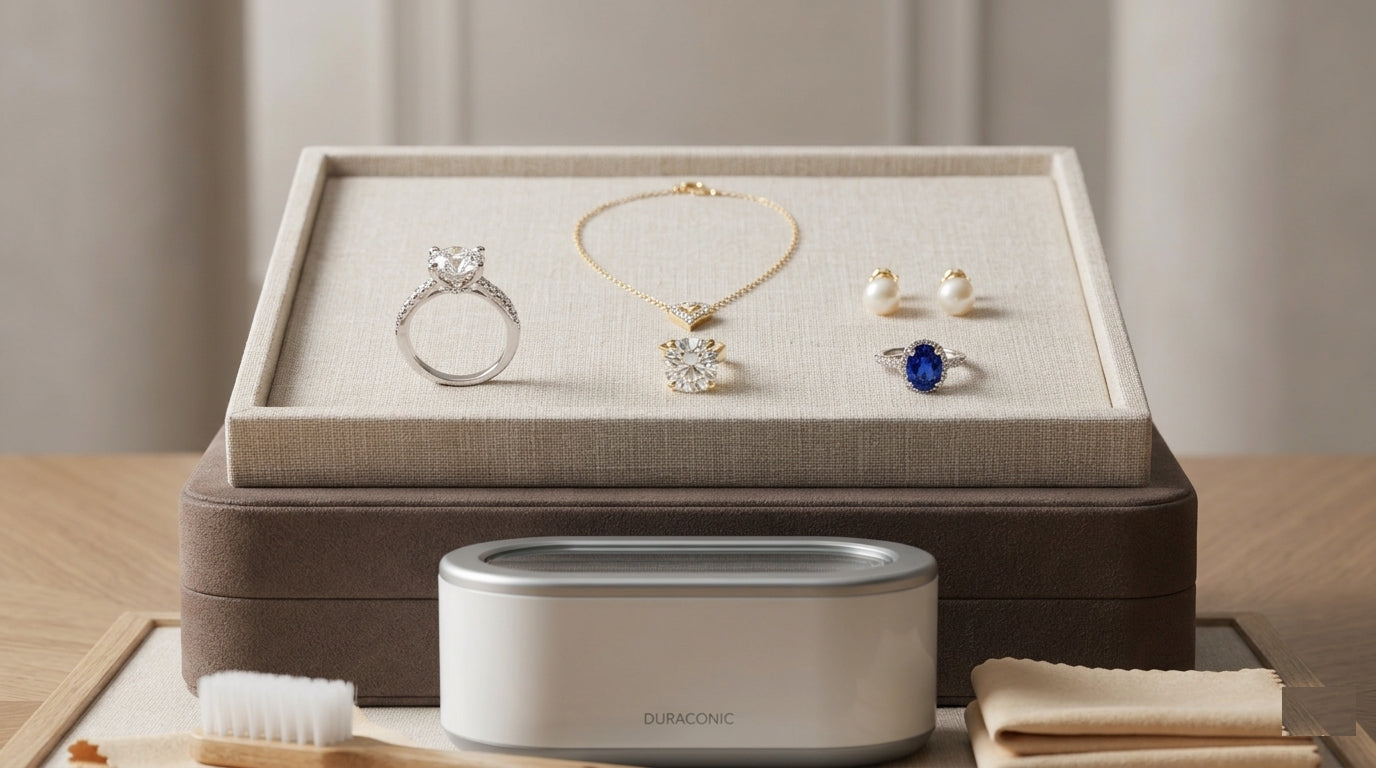
For most diamond jewelry set in gold or platinum, a soft toothbrush is your best friend. Over time, diamonds accumulate oils from your skin, lotions & soaps reside and other everyday products. That buildup collects underneath gemstones and around the prongs, often making a beautiful diamond appear cloudy or dull.
My preferred cleaning solution for suitable diamond jewelry is four parts water to one part household ammonia. A well-known ammonia-containing window cleaner can also be an alternative, provided its other ingredients are appropriate for the jewelry. Mild dish soap and lukewarm water work well, too.
Using a soft toothbrush, gently but thoroughly clean around and underneath the diamonds, paying particular attention to the crevices where residue collects. Rinse with lukewarm water in a bowl rather than over an open drain, then allow the jewelry to dry.
These recommendations are for appropriate diamond jewelry in gold or platinum—not a universal cleaning method for colored gemstones, pearls, opals, or treated stones. Avoid ammonia on pieces with unknown materials or treatments.
And never use toothpaste. Its abrasives can scratch metal surfaces and damage certain gemstones.
Do Gold, Platinum, and Sterling Silver Need Different Cleaning Methods?
For everyday cleaning, 14K gold, 18K gold, and platinum can generally be treated similarly, provided the gemstones and finishes are compatible with the cleaning method.
Sterling silver is the exception. Silver naturally tarnishes over time, and a suitable silver-cleaning solution or polishing cloth can make an enormous difference in restoring its appearance.
However, be especially careful with sterling silver jewelry containing pearls, opals, turquoise, or other delicate gemstones. Many silver cleaners are unsuitable for those materials.
Cleaning is also different from refinishing. We once had a client attempt to restore a brushed finish on a piece of jewelry using sandpaper. As you might imagine, that wasn't a great idea. If a piece needs its original finish restored,leave that work to a professional jeweler.
How Should You Clean Colored Gemstones and Pearls?
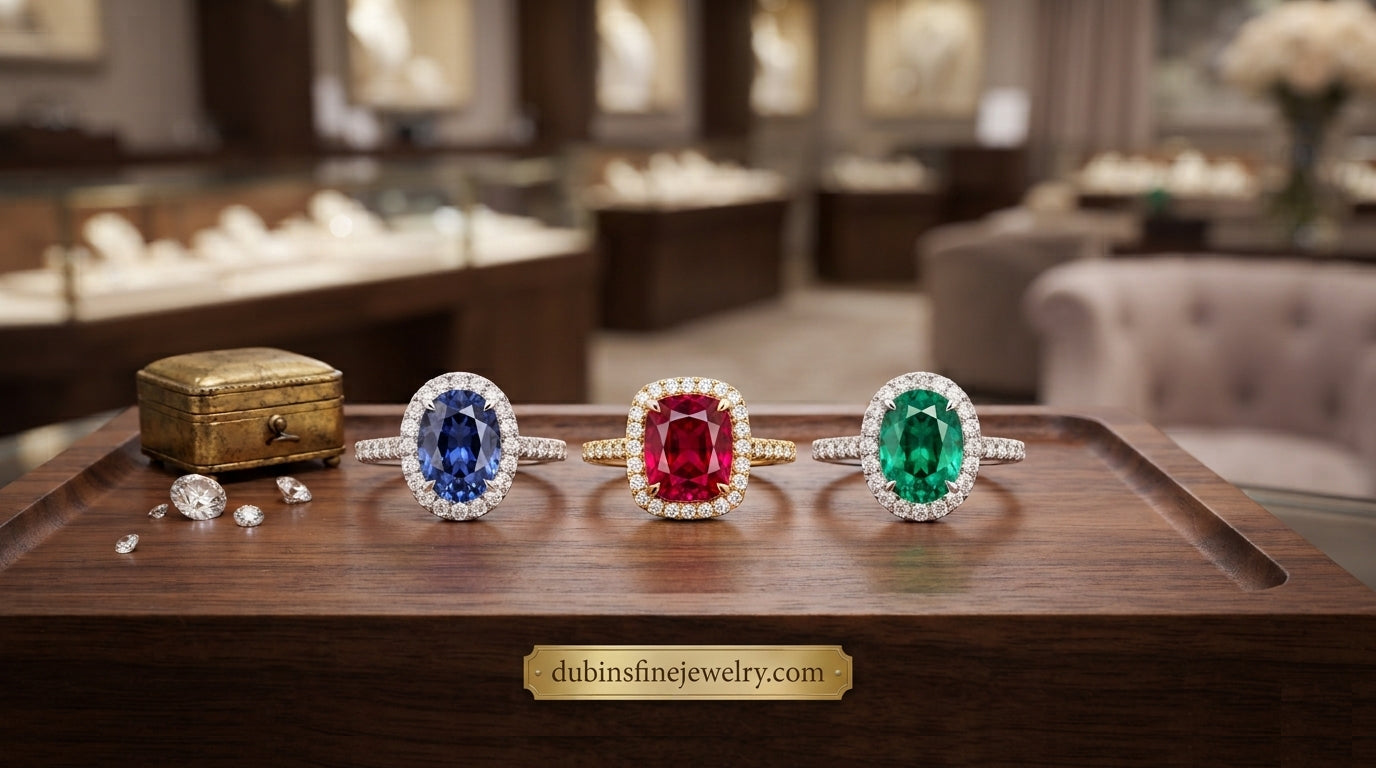
Colored gemstones require considerably more caution than diamonds. Sapphires, rubies, emeralds, opals, pearls, and other gemstones have different physical characteristics, and some have treatments that affect how they should be cleaned.
For many suitable colored gemstones, a soft cloth or gentle cleaning with lukewarm water and mild soap may be appropriate. However, don't assume that a cleaning solution safe for one gemstone is safe for another.
Pearls, opals, and turquoise are best handled conservatively with a soft cloth. Emeralds require additional caution because they commonly contain surface-reaching fissures and may have clarity-enhancing treatments.
Avoid home ultrasonic and steam cleaners for colored gemstone jewelry unless a qualified professional has confirmed the specific piece can tolerate them and you’ve been trained to know how to handle different types of gemstones.
Sudden temperature changes are another concern. Thermal shock can cause susceptible gemstones (anything except diamond) to fracture when they experience rapid heating or cooling.
The simplest rule: when you're uncertain about a gemstone, let your jeweler clean it.
For more information about selecting and caring for different gemstone varieties,see our Colored Gemstone Jewelry Guide.
Does Houston's Heat and Humidity Affect Fine Jewelry?
Houston's humidity generally isn't a significant concern for diamonds, gold, or platinum. Silver may tarnish more readily in humid conditions, but most fine jewelry doesn't require special climate-controlled storage.
What Houston residents should pay more attention to is temperature and ring fit. Our hot summers can cause fingers to swell, making rings feel tighter. Conversely, cooler temperatures can make fingers contract, causing rings to feel loose.
This becomes especially important around swimming pools, beaches, and other environments where losing a ring could be disastrous. I often tell clients that you can drop a wedding band right at your feet on the beach and still never see it again. Between the sand and water, a ring can disappear remarkably quickly.
My recommendation is simple: leave your valuable jewelry somewhere secure before heading to the pool, beach, or hot tub. Chlorine can also damage certain precious-metal alloys, and hot tubs introduce additional temperature concerns for some colored gemstones.
When Should You Remove Your Jewelry?
I encourage clients to remove their rings during activities that involve significant pressure, impact, or gripping.
Weightlifting, gardening, moving furniture, household cleaning, and similar activities can bend metal, damage prongs, or chip gemstones. Even diamonds, despite their exceptional hardness, aren't indestructible.
Skiing is another activity where I recommend removing your rings. The combination of gripping ski poles tightly and absorbing repeated impact from the terrain can place significant stress on your rings, potentially bending or damaging the metal and settings.
Necklaces, earrings, and bracelets are often less vulnerable to these specific issues, but they can still become caught, pulled, or damaged during certain activities.
Lotions, sunscreen, perfumes, and cosmetics generally create more cleaning problems than structural ones, although some chemical products can affect certain jewelry materials.
When in doubt, remove your jewelry before an activity that could expose it to unnecessary damage.
What's the Best Way to Store Fine Jewelry?
Keep your jewelry separated.
Something at the top of my cringe list is when a client arrives with an entire collection of jewelry rattling together inside a plastic bag. Diamonds can scratch other gemstones, and jewelry rubbing against jewelry can damage finishes, settings, and softer stones.
Soft-lined jewelry trays, individual compartments, and protective pouches are excellent storage options. At Dubin's, we provide complimentary travel cases with purchases, and existing clients are welcome to request additional or replacement cases.
Here's one of my favorite tricks for storing necklaces:
Place the chain inside a small plastic bag, but leave the clasped ends outside the bag before sealing it. This keeps the chain from moving freely into knots and greatly reduces tangling.
For valuable jewelry that isn't worn frequently, consider a home safe.
A relatively inexpensive safe, properly secured to a shelf or structure, can provide an added layer of protection. Bank safe-deposit boxes are another option, although accessing your jewelry at home is generally more convenient.
And please avoid clever hiding places you'll eventually forget. We once encountered a situation involving a treasured ring tucked into a coat pocket that was eventually donated. It's surprisingly easy for something carefully hidden to become lost.
How Often Should Fine Jewelry Be Professionally Cleaned and Inspected?
For everyday jewelry, every six months is a good rule of thumb, with once a year as the minimum. At Dubin's, our inspections include checking prongs, gemstone security, clasps, metal wear, cracks, chips, and other potential problems.
These visits are about much more than making your jewelry sparkle. A small crack in a platinum ring shank, for example, may be relatively straightforward to repair when discovered early. Left unattended, that crack could eventually develop into a complete break, creating a more expensive repair or even the risk of losing the ring.
Regular inspections help identify those problems before they become serious. Professional polishing is different from cleaning. Polishing removes a small amount of surface metal, so repeatedly refinishing a ring every few months isn't advisable.
I generally prefer allowing normal wear to accumulate and polishing only when the piece truly needs it, sometimes years apart.
We providecomplimentary lifetime cleaning and inspections for jewelry purchased from Dubin's Fine Jewelry. Polishing may also be complimentary for many years, with modest charges eventually applying depending on the complexity of the piece.
How Can You Keep Fine Jewelry Beautiful for Generations?
The most important advice I can offer is to wear and enjoy your jewelry. Of course, some pieces are reserved for special occasions. But jewelry shouldn't spend its entire life forgotten in a drawer.
If you have something you never wear, let's figure out why. Perhaps it needs a different setting, a more comfortable design, ora complete redesign using the original gemstones.
A family heirloom can continue telling its story in a new piece of jewelry you'll actually enjoy wearing. With thoughtful cleaning, proper storage, and regular inspections, fine jewelry can remain beautiful and wearable for many years—and often many generations.
Start the conversation with Dubin's Fine Jewelry in Houston to schedule a professional cleaning, inspection, or consultation about caring for your jewelry.
Frequently Asked Questions
How often should I clean my diamond engagement ring?
For an everyday diamond ring, gentle cleaning every week or two can help prevent oils, lotions, and soap residue from accumulating. The frequency depends on how often you wear it and your daily activities.
Can I use Windex to clean my diamond ring?
An ammonia-containing window cleaner may be suitable for certain diamond jewelry set in gold or platinum, but formulations vary. Avoid it on colored gemstones, pearls, treated stones, and pieces with unknown materials. Mild dish soap and lukewarm water are a more broadly suitable starting point.
Can I wear my engagement ring in a swimming pool?
We recommend removing it. Chlorine can affect certain jewelry alloys, while changes in finger size caused by water temperature, combined with the slippery conditions, increase the risk of a ring slipping off.
Is Houston's humidity bad for jewelry?
Generally, no. Gold, platinum, and diamonds are not significantly affected by ordinary Houston humidity. Sterling silver may tarnish more quickly, making appropriate storage and occasional cleaning helpful. Use anti-tarnish jewelry baggies as well for our sterling silver jewelry.
How often should I have my jewelry inspected?
Every six months is ideal for frequently worn jewelry, with at least one inspection annually. If you notice a loose gemstone, damaged prong, crack, or other unusual change, stop wearing the piece and have it inspected promptly.